
Track Shipment

Weekly Freight Report: February 27, 2026

February 26th, 2026


Trump Plans Targeted Tariff Increase to 15%

Trump Plans Targeted Tariff Increase to 15%

The Trump administration is moving forward with plans to raise targeted tariffs to 15%, escalating trade pressure on specific sectors and trading partners. For shippers, this means higher landed costs on affected goods and more urgency to review sourcing strategies before the increase takes effect. If your supply chain touches any of the targeted categories, now is the time to model the cost impact and explore alternatives.

IEEPA Tariff Ruling Sparks Rush for Refunds and Customs Corrections

IEEPA Tariff Ruling Sparks Rush for Refunds and Customs Corrections

A court decision challenging tariffs imposed under the International Emergency Economic Powers Act has opened the door to potential refunds, and customs brokers and tech providers are rolling out correction tools to help importers file amended entries. If you’ve paid IEEPA-based duties, this could mean real money back in your pocket. The window to act is open, but navigating the correction process will require close coordination with your broker.

Confusion Mounts as US 10% Tariffs Take Effect

Confusion Mounts as US 10% Tariffs Take Effect

The rollout of the new 10% baseline tariffs has been anything but smooth, with importers, brokers, and carriers struggling to interpret how the duties apply across different product categories and countries of origin. Inconsistent guidance is creating delays at the border and adding compliance costs for shippers already dealing with tight margins. If you’re importing right now, double-check your HTS classifications and stay in close contact with your customs team.

RXO's Q1 2026 Truckload Forecast: Where Rates Are Headed

RXO's Q1 2026 Truckload Forecast: Where Rates Are Headed

RXO’s latest market outlook signals a truckload environment that’s slowly tightening, with spot rates firming and contract rates starting to follow. Capacity is gradually rebalancing after a prolonged downcycle, which means shippers who locked in low rates may start seeing upward pressure at renewal time. Planning your Q2 freight budget? Factor in a modest rate increase, especially on high-demand lanes.

Maersk and MSC Units to Temporarily Run Disputed Panama Ports

Maersk and MSC Units to Temporarily Run Disputed Panama Ports

Subsidiaries of Maersk and MSC are stepping in to temporarily operate two disputed Panama Canal ports, a development tied to the ongoing political tug-of-war over canal infrastructure. For shippers routing cargo through Panama, this management shift could bring operational changes, potential schedule adjustments, and evolving terminal fees. Keep an eye on transit times and any surcharges that may follow the transition.

Shipper Purchase Orders Hold Steady Despite Tariff Uncertainty

Shipper Purchase Orders Hold Steady Despite Tariff Uncertainty

Despite all the tariff noise, purchase order volumes have remained surprisingly stable, with shippers choosing to maintain inventory commitments rather than pull back. Port of Los Angeles data and ocean booking trends suggest importers are betting on demand continuity even as costs rise. That’s a signal that many companies are absorbing near-term cost increases rather than risking stockouts, but the question is how long that strategy holds if tariffs keep climbing.

EU Says US Tariffs Break Deal Limits on $5 Billion in Goods

EU Says US Tariffs Break Deal Limits on $5 Billion in Goods

The European Union is pushing back hard, claiming that current US tariffs violate previously agreed-upon trade limits on roughly $5 billion worth of goods. Retaliatory measures from the EU could follow, which would raise costs on both sides of the Atlantic. If you ship between the US and Europe, brace for potential counter-tariffs and consider building contingency plans into your procurement timelines.

Mexico Freight Stabilizes After Cartel Shock, but Supply Chains Stay on Alert

Mexico Freight Stabilizes After Cartel Shock, but Supply Chains Stay on Alert

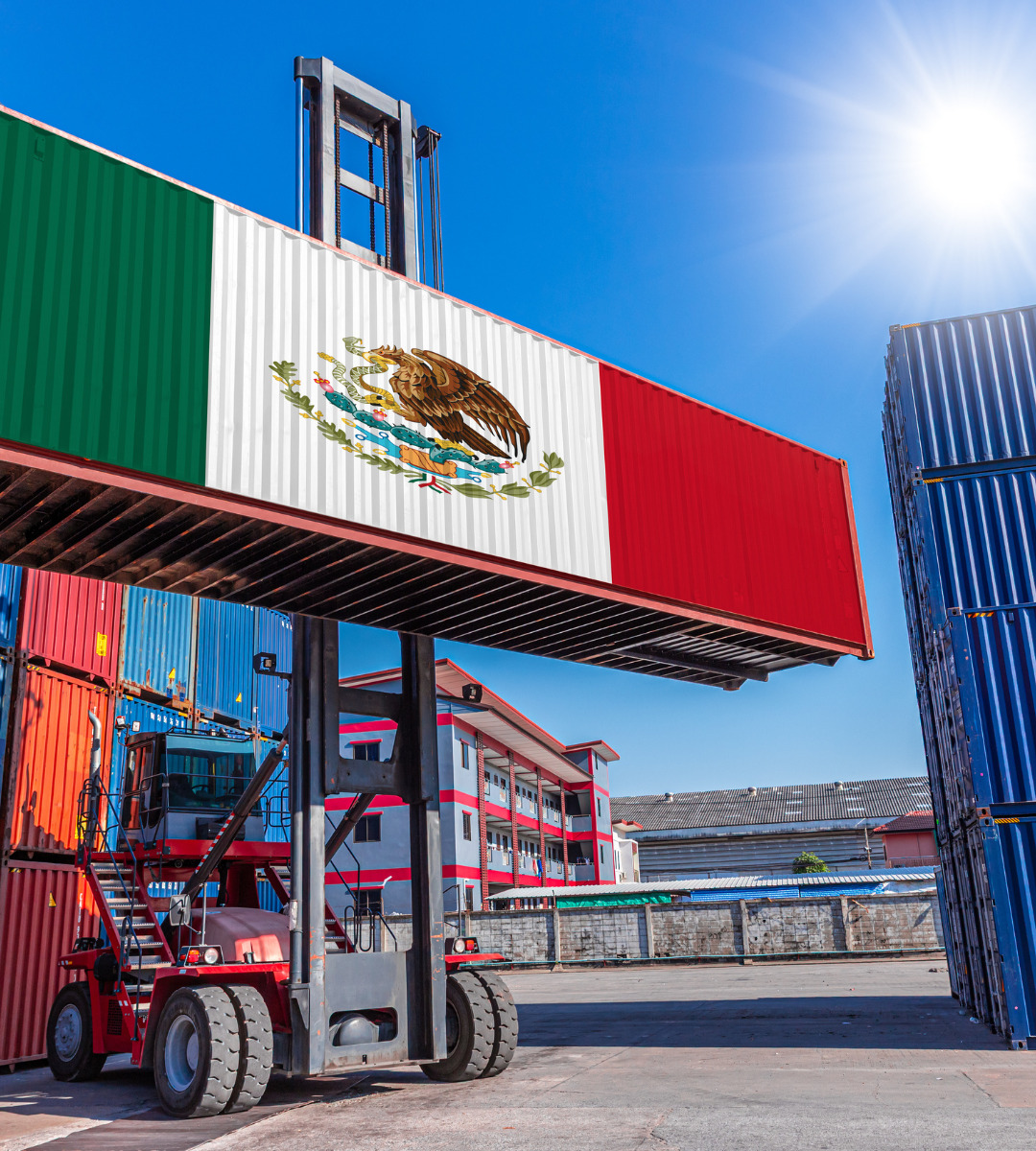
Cross-border freight volumes between the US and Mexico are normalizing after a period of disruption linked to cartel-related violence that rattled key transport corridors. While rates and transit times are settling back down, carriers and shippers remain cautious, with many maintaining contingency routing plans. If Mexico is part of your nearshoring strategy, the short-term outlook is improving, but security risks haven’t disappeared.

2026-02-26T15:51:32+00:00February 26th, 2026|Shipping News|
Go to Top