
Track Shipment

Weekly Freight Report: February 20, 2026

February 19th, 2026


Iran's Strait of Hormuz 'Temporary' Closure Sends a Big Signal to Global Shipping

Iran's Strait of Hormuz 'Temporary' Closure Sends a Big Signal to Global Shipping

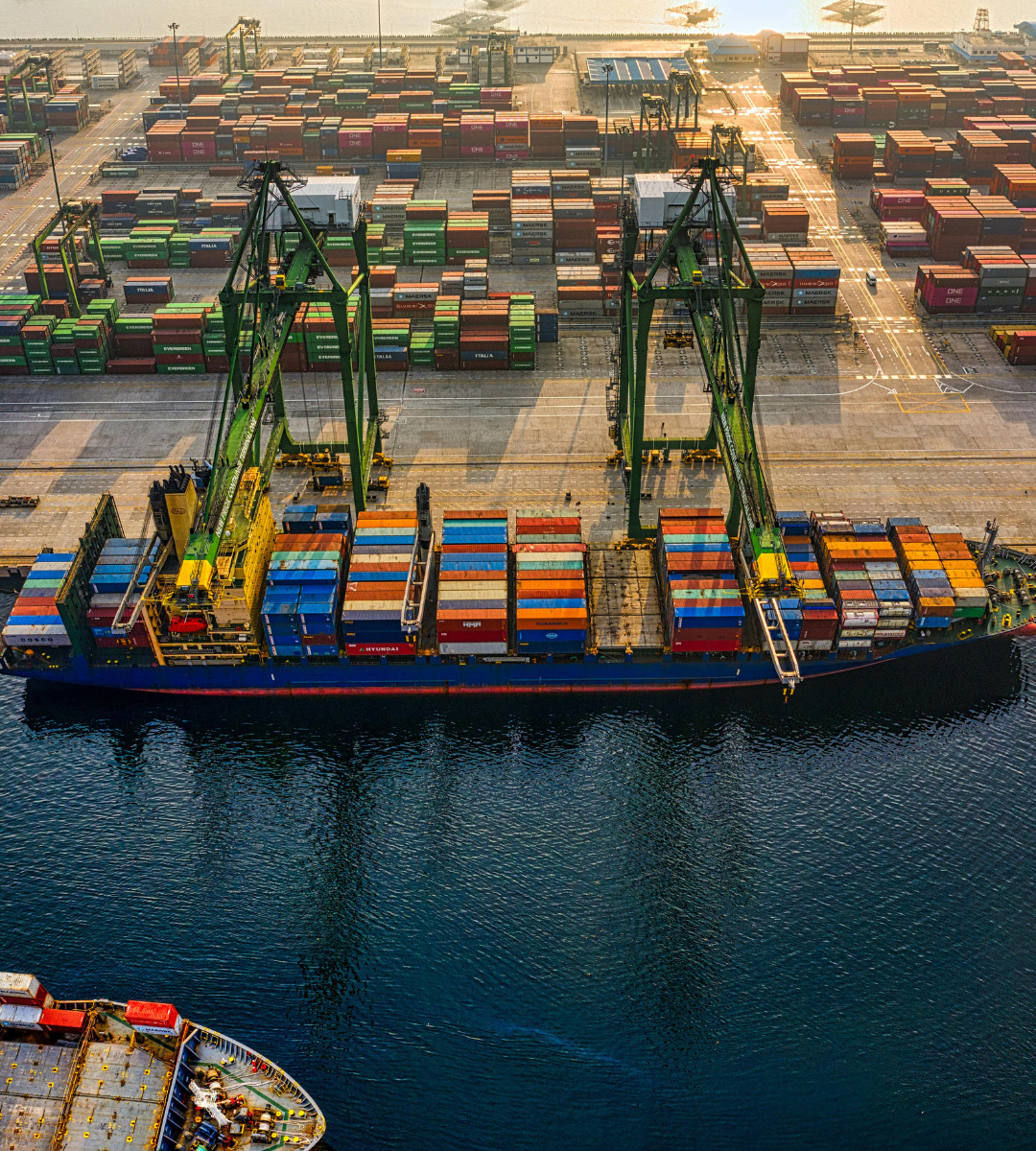
Iran briefly restricted passage through the Strait of Hormuz, a chokepoint for roughly 20% of the world’s oil supply and a critical corridor for container and bulk shipping. Even a short disruption here spikes freight rates, drives up fuel costs, and forces carriers to consider longer alternate routes. Shippers moving goods through the Persian Gulf or relying on energy-sensitive supply chains should be prepared for rate volatility and potential surcharges if tensions escalate further.

U.S. Importers Look Past China to Indonesia and Thailand

U.S. Importers Look Past China to Indonesia and Thailand

The sourcing shift away from China continues to pick up speed, with U.S. importers increasingly turning to Indonesia and Thailand as alternative manufacturing hubs. This diversification means new trade lanes are getting busier, potentially tightening container availability and driving up rates on Southeast Asian routes. If you’re reshoring or nearshoring your supply chain, now is the time to lock in carrier relationships and routing strategies before capacity gets squeezed on these emerging corridors.

Ocean Carrier Reliability Keeps Slipping as Capacity Controls Tighten

Ocean Carrier Reliability Keeps Slipping as Capacity Controls Tighten

Ocean carriers are prioritizing capacity management over schedule reliability, and shippers are feeling the pain. Blank sailings and service adjustments designed to prop up freight rates are making it harder to count on your cargo arriving when promised. For shippers, this means building more buffer time into your planning, considering premium service options for time-sensitive freight, and staying in close contact with your logistics partners to navigate last-minute schedule changes.

Venezuela's Oil Output Could Jump 30-40% This Year

Venezuela's Oil Output Could Jump 30-40% This Year

U.S. officials say Venezuela has the potential to boost oil production significantly in 2026, which could ease global energy prices and, in turn, bring some relief to fuel surcharges across trucking, ocean, and air freight. However, this hinges on political dynamics and sanctions policy, so don’t count on cheaper fuel just yet. It’s worth watching closely, because any meaningful drop in diesel and bunker fuel costs would flow directly to the bottom line for high-volume shippers.

New Bill Takes Aim at 'Chameleon Carriers' in Trucking

New Bill Takes Aim at 'Chameleon Carriers' in Trucking

Proposed legislation is targeting so-called chameleon carriers, trucking companies that shut down after safety violations only to reopen under a new name with a clean record. For shippers, this is a compliance and liability issue: if your freight moves on a carrier with a hidden history of violations, you could be exposed to risk. Working with vetted, reputable carriers and brokers who conduct thorough due diligence has never been more important.

U.S. Signals Openness to Adjusting Steel and Aluminum Tariffs

U.S. Signals Openness to Adjusting Steel and Aluminum Tariffs

U.S. Trade Representative Jamieson Greer indicated that the administration is open to modifying current steel and aluminum tariffs, a move that could reshape costs for manufacturers and the freight flows tied to raw materials imports. Any tariff reduction could shift sourcing patterns and boost inbound volumes at key ports. Shippers in construction, automotive, and manufacturing should keep a close eye on this, as changes could directly affect procurement costs and inbound logistics planning.

2026-02-19T13:54:17+00:00February 19th, 2026|Shipping News|
Go to Top